Science & Nutrition (42)

Is Coconut Sugar Actually a Healthy Alternative?

Is Coconut Sugar Actually a Healthy Alternative? Coconut sugar is often marketed as a “natural,” lower-glycemic alternative to white sugar. It shows up in health food stores, organic snacks, and wellness recipes—but does it really deserve its healthy reputation? Short answer: not really. Let’s break down what coconut sugar actually does in the body and why it’s still best treated as sugar, not a health food.   What Is Coconut Sugar? Coconut sugar is made from the sap of coconut palm flowers. The sap is collected, heated, and dehydrated into granules that resemble brown sugar. Because it’s less refined than white sugar, it’s often perceived as healthier. But less processed doesn’t automatically mean metabolically different. 1. Coconut Sugar Has the Same Calories as Regular Sugar Coconut sugar contains about: 16 calories per teaspoon 4 grams of carbohydrates 4 grams of sugar That’s essentially identical to white table sugar. From an energy balance or weight management standpoint, swapping white sugar for coconut sugar does not reduce caloric intake or sugar load. Bottom line: Your body still sees it as sugar. (Healthline, WebMD)   2. “Lower Glycemic Index” Doesn’t Mean Blood-Sugar Safe Coconut sugar is often praised for having a lower glycemic index (GI), usually estimated between 35–54, compared to table sugar’s 60–65. Why the difference? Coconut sugar contains small amounts of inulin, a type of fiber that can slightly slow glucose absorption. However: The fiber content is very low Blood sugar still rises Frequent consumption still stresses insulin regulation For people with insulin resistance, prediabetes, or diabetes, coconut sugar can still cause problematic blood sugar spikes. Bottom line: Slightly lower GI ≠ blood sugar friendly. (Healthline, WebMD) 3. Coconut Sugar Is Mostly Sucrose (and Fructose Still Matters) Coconut sugar is about 70–80% sucrose. Sucrose breaks down into: 50% glucose 50% fructose Excess fructose intake is associated with: Fatty liver disease Increased triglycerides Insulin resistance Higher risk of metabolic syndrome Even when it comes from “natural” sources, isolated fructose behaves the same way in the liver. Bottom line: Coconut sugar still delivers a significant fructose load. (Healthline) 4. The Nutrients Are Nutritionally Insignificant Coconut sugar contains trace amounts of: Iron Zinc Potassium But here’s the catch: You’d need to eat dozens of teaspoons of coconut sugar to get a meaningful amount of any of these minerals…far more sugar than is safe or healthy. For example: You’d need ~30+ teaspoons of coconut sugar to match the iron in a small serving of chicken At that point, the metabolic damage far outweighs any benefit. Bottom line: The minerals are real but functionally irrelevant. (WebMD) 5. Coconut Sugar Is Still Harmful to Teeth Coconut sugar contains fermentable carbohydrates that feed oral bacteria. That means: Increased cavity risk Higher likelihood of gum inflammation No dental advantage over white sugar Bottom line: Your teeth can’t tell the difference. (WebMD)   6. Added Sugar, In Any Form, Still Increases Chronic Disease Risk Overconsumption of added sugars (including coconut sugar) is linked to: Chronic inflammation Heart disease Type 2 diabetes Obesity Whether it’s white sugar, brown sugar, or coconut sugar, the metabolic impact is largely the same when consumed in excess. Bottom line: “Natural” doesn’t mean consequence-free. (Healthline, WebMD) So… Is Coconut Sugar Better Than Regular Sugar? Technically? Slightly. Practically? Not enough to matter. Coconut sugar is still: Calorically dense Blood-sugar disruptive Fructose-heavy Best consumed sparingly It may be less refined, but it’s not a health food and it’s not a solution to sugar-related health issues. A Quick Note on Whole-Food Sweeteners Some sweeteners behave differently because they come packaged with: Fiber Micronutrients Natural structure that slows absorption That’s why whole foods—like fruit-based sweeteners—don’t affect the body the same way isolated sugars do. We’ll leave it at that 😊     Sources Healthline: Is Coconut Sugar Healthy? WebMD: Health Benefits of Coconut Sugar  

Read more
Is Coconut Sugar Actually a Healthy Alternative?

What Big Chocolate Isn’t Telling You

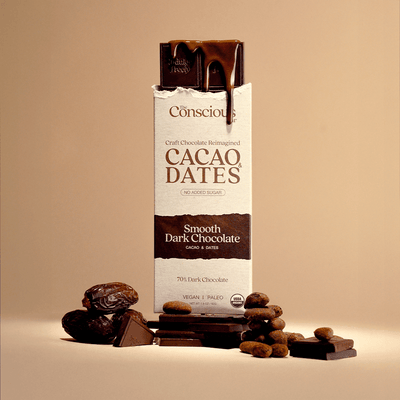
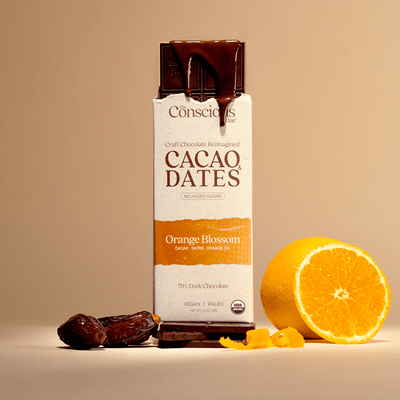
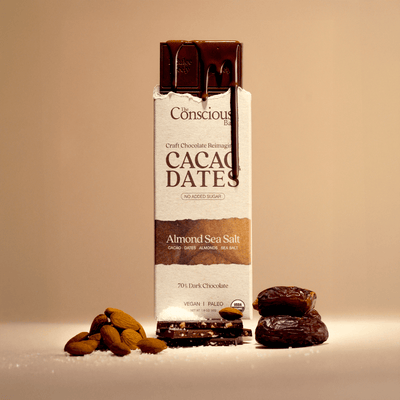
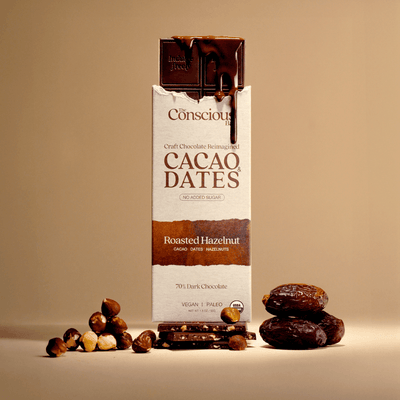
What Big Chocolate Isn’t Telling You   But once you start reading chocolate labels closely, a very different picture shows up. Behind the glossy packaging and health-forward buzzwords, much of the modern chocolate industry relies on ingredient shortcuts, cost-cutting practices, and marketing sleight of hand that consumers rarely see.   Here’s what actually goes on behind the scenes: 1. Cocoa butter is often removed then replaced; Cocoa butter is the most valuable part of the cocoa bean. It’s what gives real chocolate its: Clean snap Smooth melt Rich mouthfeel So, what do many large chocolate manufacturers do? They remove it. That cocoa butter is often sold separately to the cosmetics and skincare industry, where it commands a higher price. The chocolate is then reformulated with cheaper vegetable fats, such as: Palm oil Shea butter Hydrogenated oils Why these matters?? Vegetable fats don’t melt the same way cocoa butter does. Instead of dissolving cleanly, they create a waxy texture that coats the mouth. The bar still looks like chocolate. It just doesn’t behave like it.   2. “Dark Chocolate” isn’t always really dark  Dark chocolate has earned a health halo for a reason. Cocoa solids naturally contain antioxidants and polyphenols. But many products labeled dark chocolate are quietly diluted with: Palm kernel oil Fillers Excess sugar The result: Less real cacao Fewer beneficial compounds More empty calories The label stays dark. The benefits often don’t.   3. Additives replace real ingredients If you’ve ever seen ingredients like soy lecithin or PGPR, you’re looking at emulsifiers. They’re not added for taste or nutrition. They’re used to: Reduce the amount of cocoa butter needed Speed up manufacturing Make chocolate easier to process at scale They help factories run faster and cheaper. They don’t make chocolate better.   4. Sugar Is Often Used to Hide Low-Quality Cacao High-quality cacao, when properly fermented and aged, has natural depth, bitterness, and complexity. Low-quality cacao? Bitter Flat Inconsistent Instead of improving sourcing or processing, many brands mask poor cacao with: Refined sugar High fructose corn syrup Artificial vanillin (a lab-made flavoring that mimics vanilla) Sweetness becomes a cover-up rather than a complement.   5. “Ethical” Doesn’t Always Mean Verified Terms like: Natural Sustainably sourced Beyond fair trade Sound reassuring but many are unregulated or self-certified. They look like trust signals. They aren’t always proof. That doesn’t mean ethical chocolate doesn’t exist. It means labels alone don’t tell the whole story. Why This Matters: This isn’t about fear or guilt. It’s about understanding how the chocolate industry works. Large chocolate brands are built to optimize for: Scale Shelf life Margin Others choose to optimize for: Ingredients Transparency How chocolate actually tastes — and feels after you eat it That difference shows up in every bite. Read the Label. Choose Intentionally. Chocolate doesn’t need to be complicated. But it should be honest. Try our Date sweetened chocolate bars! Date Sweetened Chocolate - The Conscious Bar Sources FDA: Labeling of products. Emulsifiers: Their Influence. Foreign fats in chocolate. Trends in blending vegetable fats and oils. How do companies need to change.

Read more
What Big Chocolate Isn’t Telling You

Why Dates Are the Sweetener That Actually Fuels You

Sweetness isn’t the enemy. Refined sweetness without support is. When comparing whole-food sweeteners like dates, honey, maple syrup, and coconut sugar, the difference comes down to what your body receives along with the sugar. And dates deliver more than any other option. Dates Are a Nutrient-Dense Natural Sweetener Dates are naturally rich in vitamin B6, potassium, magnesium, copper, and manganese, along with smaller amounts of calcium, iron, zinc, and selenium. They also contain powerful antioxidants that help protect cells from oxidative stress (Macular Hope, 2024). Most liquid sweeteners lose these compounds during processing. Dates retain them because they remain a whole food, which matters for how the body processes them. Fiber Is What Sets Dates Apart One whole date provides approximately 1.8 grams of dietary fiber, while honey, maple syrup, and coconut sugar provide virtually none (Macular Hope, 2024). Fiber slows digestion, helps regulate blood sugar response, and supports gut health — making dates a fiber-rich sweetener rather than an empty one. This fiber content is why dates tend to have a low to moderate glycemic impact, providing steadier energy without rapid spikes (The Date Hut, 2024). Dates vs Honey, Maple Syrup, and Coconut Sugar When people talk about “better” sweeteners, they often focus on sweetness alone. But the real difference shows up when you compare fiber, blood sugar stability, minerals, antioxidants, and how these sweeteners function in real food. Fiber Content Dates: Contain approximately 1.8 grams of fiber per date, which helps slow digestion and reduce how quickly sugar enters the bloodstream. This fiber is part of the fruit’s natural structure and remains intact whether dates are eaten whole or blended into paste. Honey, Maple Syrup & Coconut Sugar: These sweeteners contain virtually zero fiber. Without fiber, sugars are absorbed more quickly, leading to faster increases in blood glucose levels (Macular Hope, 2024). Fiber is one of the biggest reasons dates behave differently in the body compared to syrups or granulated sugars. Blood Sugar Stability Dates: Thanks to their fiber content, dates have a low to moderate glycemic impact, providing steady energy without sharp spikes (The Date Hut, 2024). Honey & Maple Syrup: Both have a moderate glycemic index, meaning they release glucose more rapidly and can contribute to quicker energy fluctuations. Coconut Sugar: Often marketed as “lower GI,” coconut sugar may cause a slightly slower rise in blood sugar, but without fiber, it still lacks the buffering effect that makes dates unique. Blood sugar stability isn’t about avoiding sweetness. It’s about pairing sugar with fiber and structure. Mineral Content Dates: Provide meaningful amounts of Potassium, Magnesium, Copper, Manganese, and Vitamin B6. They also contain smaller amounts of calcium, iron, zinc, and selenium (Macular Hope, 2024). Honey: Contains trace minerals, but amounts vary widely depending on floral source. Maple Syrup: Provides some manganese, but little else nutritionally. Coconut Sugar: Contains small and inconsistent mineral amounts that vary by processing method. Dates deliver minerals your body actually uses, not just sweetness with trace nutrients. Antioxidants Dates: Rich in polyphenols and carotenoids, including lutein and zeaxanthin. These compounds help protect cells from oxidative stress and support long-term eye and cellular health (Macular Hope, 2024). Regular consumption has been linked to reduced risk of cataracts and macular degeneration (Macular Hope, 2024). Honey: Antioxidant levels vary depending on floral source and processing. Maple Syrup & Coconut Sugar: Contain minimal antioxidant activity compared to whole fruits. Antioxidants are another reason dates function as more than a sweetener. Taste & Function in Real Food Dates: Have a naturally caramel-like flavor, richness, and texture. When chopped or blended into paste, they add sweetness and structure — improving mouthfeel, satiety, and overall eating experience. Honey, Maple Syrup & Coconut Sugar: These sweeteners provide sweetness but are generally one-note, contributing little beyond flavor. Dates enhance both taste and texture, making them uniquely suited for bars, baked goods, sauces, and everyday fueling. Versatility Without Refinement Dates can be eaten whole, chopped, or blended into paste, adding sweetness, texture, and structure to food. They work across bars, sauces, baked goods, and everyday fueling without requiring industrial processing (The Date Hut, 2024). The Bottom Line Dates aren’t sugar-free. They’re fiber-rich, mineral-dense, and metabolically supportive. They sweeten food and support your body at the same time. That’s why dates aren’t just a sweetener…they’re fuel. Sources Macular Hope. The Surprising Health Benefits of Dates (2024).https://macularhope.org/health-benefits-of-dates-a-sweet-superfood-for-a-healthy-life/ The Date Hut. Natural Sweeteners: Which One Wins? (2024).https://thedatehut.co.uk/2024/12/28/natural-sweeteners-which-one-wins/

Read more
Why Dates Are the Sweetener That Actually Fuels You

Flavanols: The Brain-Boosting Power Hidden in Real Chocolate

You've probably heard that dark chocolate is good for your brain. But most people don't know why. The secret lies in a compound called flavanols, powerful plant-based nutrients found in cacao that support blood flow, cognitive performance, and mental clarity. But here's the catch. Most chocolate products today are so processed and sugar-heavy that the flavanols are either stripped out or buried beneath additives. That's why we make date-sweetened chocolate that preserves the integrity of cacao and supports your health, not just your cravings. What Are Flavanols? Flavanols are naturally occurring antioxidants found in certain fruits, teas, and cacao. They improve circulation by relaxing blood vessels, which increases blood flow throughout the body, including to the brain. More blood flow means more oxygen and nutrients delivered where they're needed. This leads to: Sharper thinking Better memory More mental energy Stronger focus and stamina This is what flavanols in chocolate were meant to do if they're left intact. Why Most Chocolate Misses the Mark The majority of chocolate sold today is highly processed and packed with refined sugar. These products are often labeled as dark chocolate, but they've been stripped of their natural flavanol content during manufacturing. On top of that, sugar creates inflammation, spikes blood glucose, and interferes with blood flow. It works against the benefits cacao is supposed to deliver. This is why we created The Conscious Bar. Our chocolate is sweetened with dates instead of sugar, so you can actually enjoy the brain-boosting benefits of real cacao. The Best Food Sources of Flavanols The top natural sources of flavanols include: Green tea Red wine Grapes Blueberries Cacao in its purest form Cacao is especially powerful, but only when it's minimally processed and not masked by artificial sweeteners or additives. Why We Make Date-Sweetened Chocolate At The Conscious Bar, we believe in letting cacao speak for itself. Our bars are made with just two ingredients: organic cacao and organic dates. No sugar. No preservatives. No filler. Our chocolate sweetened with dates preserves flavanol content and delivers real, functional benefits. It's indulgence that fuels your body and brain, not something that slows you down. The Bottom Line Flavanols are not just another health buzzword. They are one of the most effective, research-supported compounds for cognitive health, and cacao is one of the richest natural sources. But if your chocolate is full of sugar and stripped of nutrients, those benefits disappear. When you choose date-sweetened chocolate, you're choosing to nourish your brain, protect your energy, and enjoy a treat that actually treats you well. Ready to taste the difference?Try The Conscious Bar and experience the power of real chocolate.

Read more
Flavanols: The Brain-Boosting Power Hidden in Real Chocolate - The Conscious Bar

Harvard Found Something in Chocolate That Could Change Brain Health Forever

Every so often, a study comes along that makes you stop and say: Wait, how is this not headline news? That's exactly what happened when Harvard researchers looked at a group of older adults with mild memory loss. No drugs. No therapy. Just one simple daily change: consuming cocoa flavanols. Within weeks, the results were remarkable. What Are Cocoa Flavanols, Really? Cocoa flavanols are natural compounds found in cacao beans. They're not the same thing as the "chocolate" in most candy bars which are often stripped of their nutrients during processing. These flavanols are powerful antioxidants that influence blood flow, brain health, and even metabolism. The Study That Turned Heads at Harvard In a controlled trial, participants took a daily flavanol supplement derived from cocoa. Here's what happened: Improved cognitive performance: Participants scored higher on tests for thinking speed and memory recall. Better insulin sensitivity: This matters because insulin resistance is linked to brain aging and dementia. Lower blood pressure: Healthy circulation means more oxygen and nutrients reach the brain. The takeaway? Something as simple as a flavanol-rich cacao drink could support both brain and heart health simultaneously. Why This Matters for Everyday Life Most of us still think of chocolate as a treat, not a functional food. But if cacao is processed gently and without refined sugar, those same brain-boosting compounds can make their way into your daily routine. Here's why that's huge: You get clean energy without the crash of caffeine or sugar. Your brain benefits from increased blood flow and oxygen delivery. You support your heart while supporting your memory. It's nature's win-win. The Conscious Bar: Chocolate as It Should Be We craft our chocolate from just two ingredients: Organic cacao (rich in flavanols, magnesium, and theobromine) Organic dates (natural sweetness + fiber to support steady energy) That's it. No refined sugar. No fillers. No "chocolate-flavored" additives. Just real food that delivers the benefits Harvard scientists are talking about. TL;DR Harvard research shows cocoa flavanols can improve memory, thinking speed, insulin resistance, and blood pressure all without drugs. The key is eating cacao in its purest form. The Conscious Bar makes that easy (and delicious). Sources Brickman AM, Khan UA, Provenzano FA, et al. Enhancement of memory in healthy older adults by a dietary flavanol. Nature Neuroscience. 2014;17(12):1798–1803. Link to study Sorond FA, Lipsitz LA, Hollenberg NK, Fisher ND. Cerebral blood flow response to flavanol-rich cocoa in healthy elderly humans. Neuropsychiatr Dis Treat. 2008;4(2):433–440. Link to study

Read more
Harvard Found Something in Chocolate That Could Change Brain Health Forever - The Conscious Bar

What’s Actually Happening During Your 2PM Crash — And How Cacao Can Fix It

Most of us feel it: that afternoon slump that hits around 2 or 3 PM. You’re staring at the screen, reading the same sentence twice, wondering where your brain went. You think, "Why am I like this?" And maybe reach for another coffee, a quick sugar snack, or something to push through. But here’s the truth: it’s not laziness. It’s not lack of discipline. It’s biochemistry. Let’s break down what’s actually happening and how something as simple as real cacao could change the game.     Why the 2 PM Crash Happens There’s a biological reason we hit a wall in the afternoon, and it has everything to do with your brain’s energy chemistry. Dopamine naturally dips after lunchtime. This neurotransmitter is responsible for motivation, drive, and focus. When it drops, so does your mental sharpness. Cortisol patterns shift your stress hormone peaks in the morning, then begin to taper. If you’ve been stressed earlier, your energy tank is already depleted. Blood sugar fluctuations, especially after a carb-heavy lunch, can leave you foggy, distracted, and emotionally flat. Your body isn’t failing you. It’s just asking for the right support.     The Common Fix (That Usually Backfires) The go-to move is often: A cup of coffee A sweet snack An energy drink   But these “solutions” spike your cortisol (stress hormone), leading to: A second crash later on Irritability Trouble focusing Difficulty sleeping   In short, it’s a short-term fix that costs you long-term clarity.     Enter Cacao: The Natural Focus Enhancer Unlike coffee or sugar, cacao gives your brain what it actually needs to reset itself, gently and effectively. Here’s what’s in real cacao: Theobromine A gentle stimulant that increases blood flow to the brain. Unlike caffeine, theobromine doesn’t spike cortisol or heart rate it supports calm, sustained alertness. Source:  https://pubmed.ncbi.nlm.nih.gov/30706099/ Magnesium This vital mineral is known to reduce brain fog, improve stress resilience, and support nerve communication. One of the most magnesium-rich foods? Raw cacao. Source:  https://ods.od.nih.gov/factsheets/Magnesium-HealthProfessional/ Flavonoids Powerful antioxidants that enhance memory, focus, and cerebral blood flow. These support neuroplasticity, your brain’s ability to think clearly and learn. Source:  https://www.ncbi.nlm.nih.gov/pmc/articles/PMC3575938/ Together, these compounds create calm focus, not hyperstimulation. You feel sharper, but grounded.     Is Cacao a Natural Nootropic? Yes, and here’s why. A nootropic is anything that enhances cognitive performance, without the crash. Cacao is one of the most underrated nootropics on the planet, because it: Supports dopamine production Enhances blood flow to the brain Reduces mental fatigue Improves memory and focus And when it’s consumed without refined sugar, you skip the blood sugar spike that makes most snacks counterproductive. Sources: https://pubmed.ncbi.nlm.nih.gov/31010016/ https://www.ncbi.nlm.nih.gov/pmc/articles/PMC7760676/     The Conscious Bar: Nootropic Benefits, Zero Crash We make it easy to get all of cacao’s brain benefits without sugar, caffeine, or additives. Each bar of The Conscious Bar is made with: Organic Cacao – packed with magnesium, flavonoids, and theobromine Organic Dates – naturally sweet, with fiber and minerals to stabilize energy That’s it. Two ingredients. No sugar. No fillers. No fake nootropic buzz. Instead of chasing a second coffee, imagine breaking off a square of something that tastes rich, creamy, and sweet and actually supports your focus.     TL;DR: What You’re Feeling at 2PM is Real and Fixable That afternoon crash isn’t a willpower issue it’s a brain chemistry dip. And the solution isn’t more stress on your system. It’s support. Cacao is nature’s answer: calm, clean, cognitive energy. If you’re curious about adding it to your afternoon, try replacing your coffee with a square of The Conscious Bar instead. You may find your second wind doesn’t need a jolt, it just needs the right ingredients.  

Read more
What’s Actually Happening During Your 2PM Crash — And How Cacao Can Fix It - The Conscious Bar