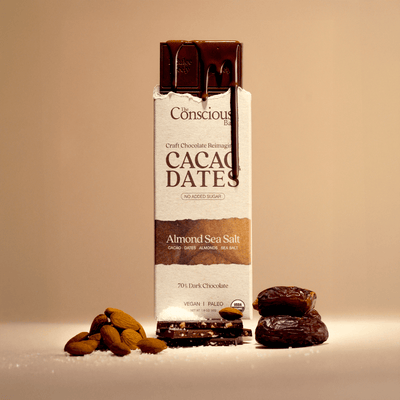
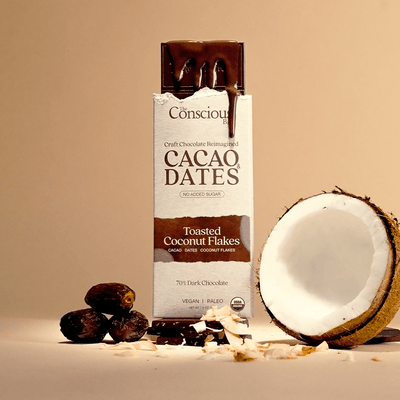
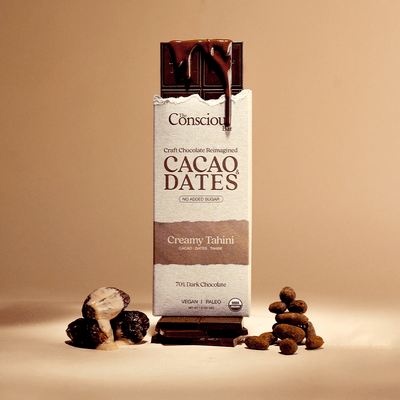
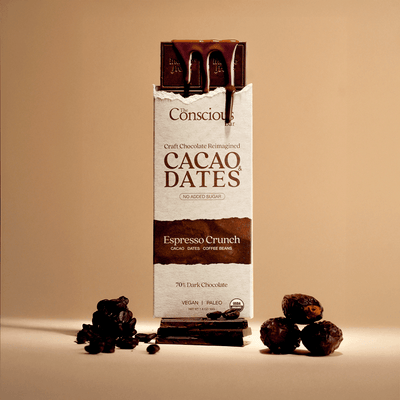
What Big Chocolate Isn’t Telling You
But once you start reading chocolate labels closely, a very different picture shows up.
Behind the glossy packaging and health-forward buzzwords, much of the modern chocolate industry relies on ingredient shortcuts, cost-cutting practices, and marketing sleight of hand that consumers rarely see.
Here’s what actually goes on behind the scenes:
1. Cocoa butter is often removed then replaced; Cocoa butter is the most valuable part of the cocoa bean.
It’s what gives real chocolate its:
- Clean snap
- Smooth melt
- Rich mouthfeel
So, what do many large chocolate manufacturers do? They remove it. That cocoa butter is often sold separately to the cosmetics and skincare industry, where it commands a higher price. The chocolate is then reformulated with cheaper vegetable fats, such as:
- Palm oil
- Shea butter
- Hydrogenated oils
Why these matters??
Vegetable fats don’t melt the same way cocoa butter does. Instead of dissolving cleanly, they create a waxy texture that coats the mouth. The bar still looks like chocolate. It just doesn’t behave like it.
2. “Dark Chocolate” isn’t always really dark
Dark chocolate has earned a health halo for a reason. Cocoa solids naturally contain antioxidants and polyphenols.
But many products labeled dark chocolate are quietly diluted with:
- Palm kernel oil
- Fillers
- Excess sugar
The result:
- Less real cacao
- Fewer beneficial compounds
- More empty calories
The label stays dark. The benefits often don’t.
3. Additives replace real ingredients
If you’ve ever seen ingredients like soy lecithin or PGPR, you’re looking at emulsifiers. They’re not added for taste or nutrition. They’re used to:
- Reduce the amount of cocoa butter needed
- Speed up manufacturing
- Make chocolate easier to process at scale
They help factories run faster and cheaper. They don’t make chocolate better.
4. Sugar Is Often Used to Hide Low-Quality Cacao
High-quality cacao, when properly fermented and aged, has natural depth, bitterness, and complexity.
Low-quality cacao?
- Bitter
- Flat
- Inconsistent
Instead of improving sourcing or processing, many brands mask poor cacao with:
- Refined sugar
- High fructose corn syrup
- Artificial vanillin (a lab-made flavoring that mimics vanilla)
Sweetness becomes a cover-up rather than a complement.
5. “Ethical” Doesn’t Always Mean Verified
Terms like:
- Natural
- Sustainably sourced
- Beyond fair trade
Sound reassuring but many are unregulated or self-certified. They look like trust signals. They aren’t always proof.
That doesn’t mean ethical chocolate doesn’t exist. It means labels alone don’t tell the whole story.
Why This Matters:
This isn’t about fear or guilt. It’s about understanding how the chocolate industry works.
Large chocolate brands are built to optimize for:
- Scale
- Shelf life
- Margin
Others choose to optimize for:
- Ingredients
- Transparency
- How chocolate actually tastes — and feels after you eat it
That difference shows up in every bite.
Read the Label. Choose Intentionally.
Chocolate doesn’t need to be complicated.
But it should be honest.
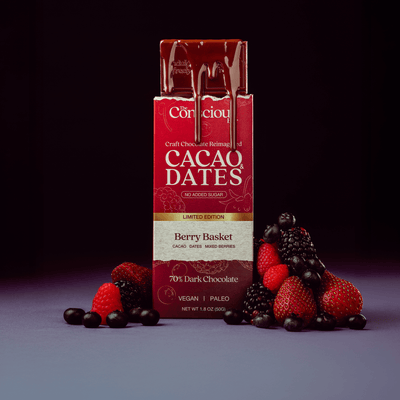
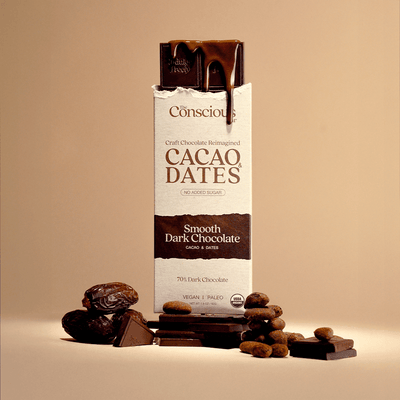
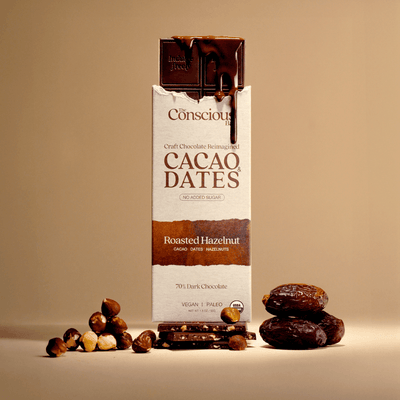
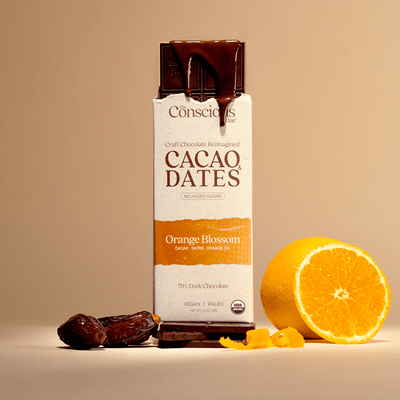
Try our Date sweetened chocolate bars!
Date Sweetened Chocolate - The Conscious Bar