








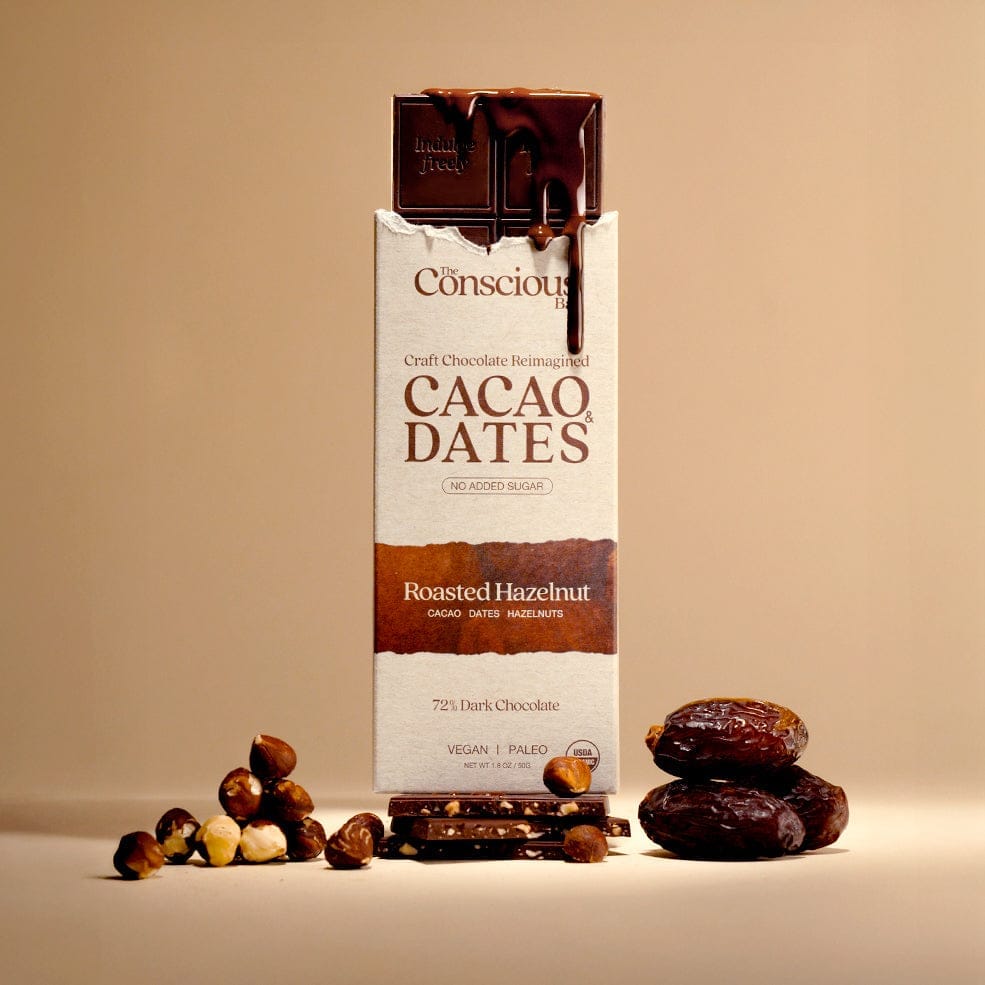
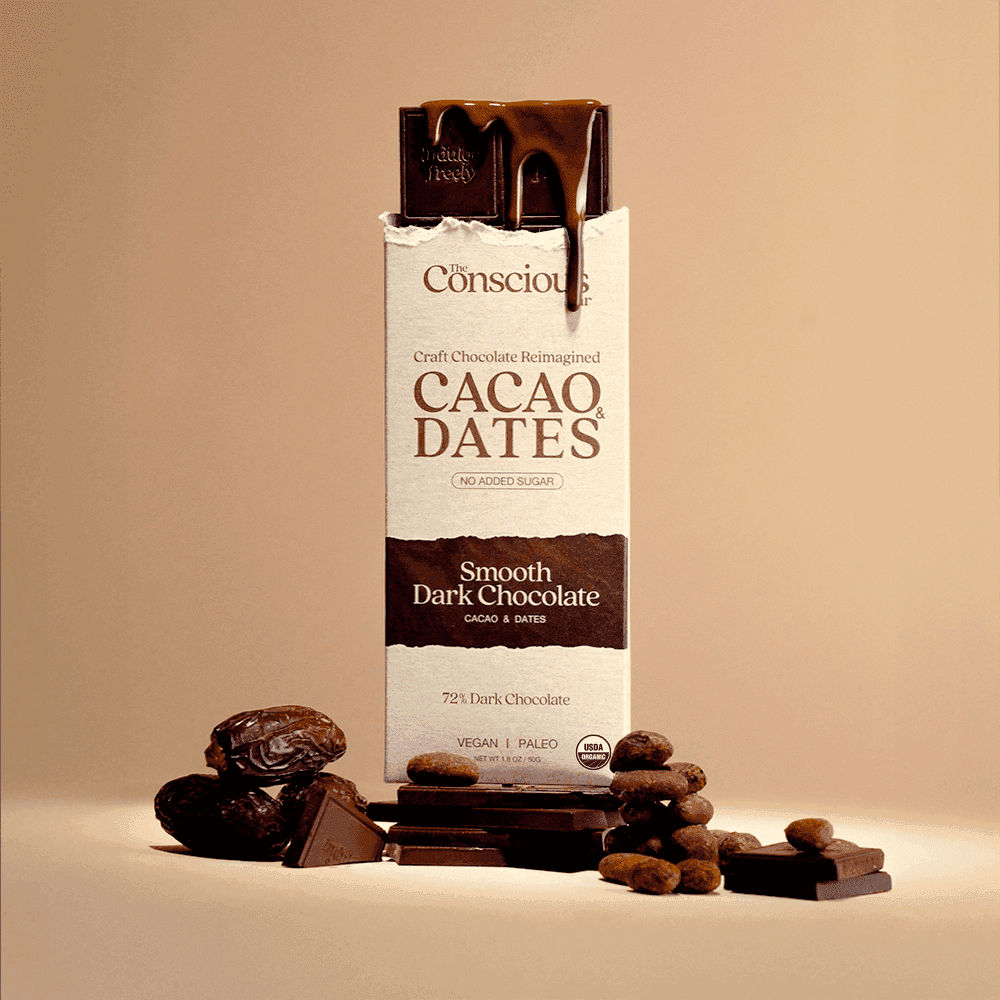
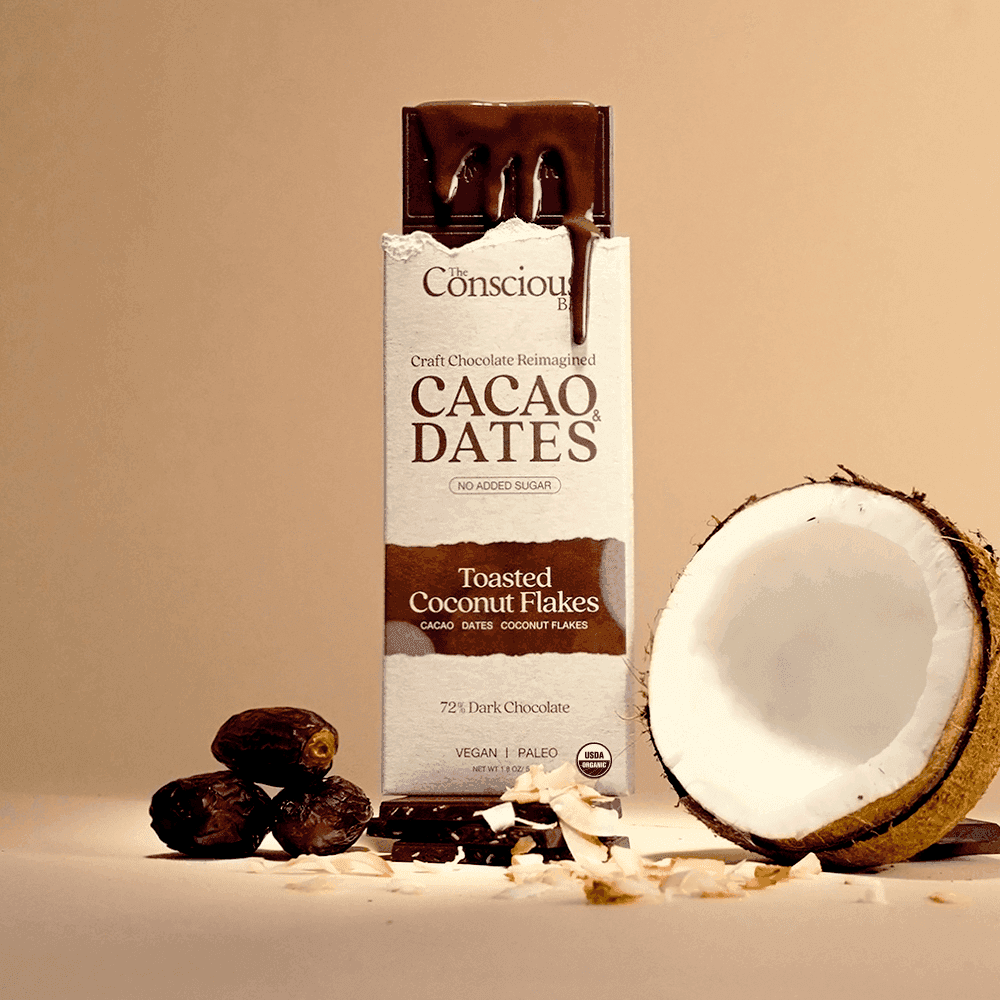

When people talk about “processed sugar,” they’re usually referring to refined sugars that have been extracted from plants and purified into a concentrated form.
But the details matter.
What Is Processed Sugar?
Processed sugar begins as a natural source, typically sugar cane, sugar beets, or corn.
During manufacturing, the plant is crushed, heated, filtered, and centrifuged. This process removes fiber, water, and plant compounds, leaving behind nearly pure sucrose or glucose.
The result is what many health organizations refer to as “free sugar”; sugar that is no longer contained within the cellular structure of a whole food.
In other words, its sugar isolated from everything that once slowed its digestion.
Natural Sugar vs. Refined Sugar
Natural sugars occur in whole foods like fruit and dairy. These sugars are packaged with fiber, water, vitamins, and minerals.
Refined sugars may originate from natural plants but once processed, only the sugar remains.
Honey and agave are sometimes seen as “in between,” but when heavily refined and added to packaged foods, they function similarly to other added sugars.
Common Types of Processed Sugar
You’ll often see processed sugar listed as:
- Granulated white sugar
- High-fructose corn syrup (HFCS)
- Brown sugar
- Powdered/confectioners’ sugar
- Corn syrup
- Rice syrup
- Agave syrup
- Maple syrup (when refined and used as an additive)
If it’s isolated and added to a product for sweetness, it’s considered an added sugar.
Why It Matters for Your Health
The biggest difference between processed and natural sugar is how your body handles them.
- Absorption Speed: Without fiber, processed sugar is rapidly absorbed into the bloodstream. This can cause sharp spikes in blood glucose and insulin.
- Satiety: Because it digests quickly, it doesn’t trigger strong fullness signals. This can make it easier to overconsume.
-
Long-Term Health Chronic high intake of added sugars has been associated with increased risk of obesity, type 2 diabetes, heart disease, and inflammation.
How to Spot Processed Sugar on Labels
On U.S. nutrition labels, look for:
“Added Sugars” under the “Total Sugars” section.
The American Heart Association recommends limiting added sugars to:
- 6 teaspoons (24g) per day for women
- 9 teaspoons (36g) per day for men
If sugar — under any name — appears near the top of the ingredient list, the product is likely sugar-heavy.
Understanding processed sugar isn’t about fear.
It’s about clarity.
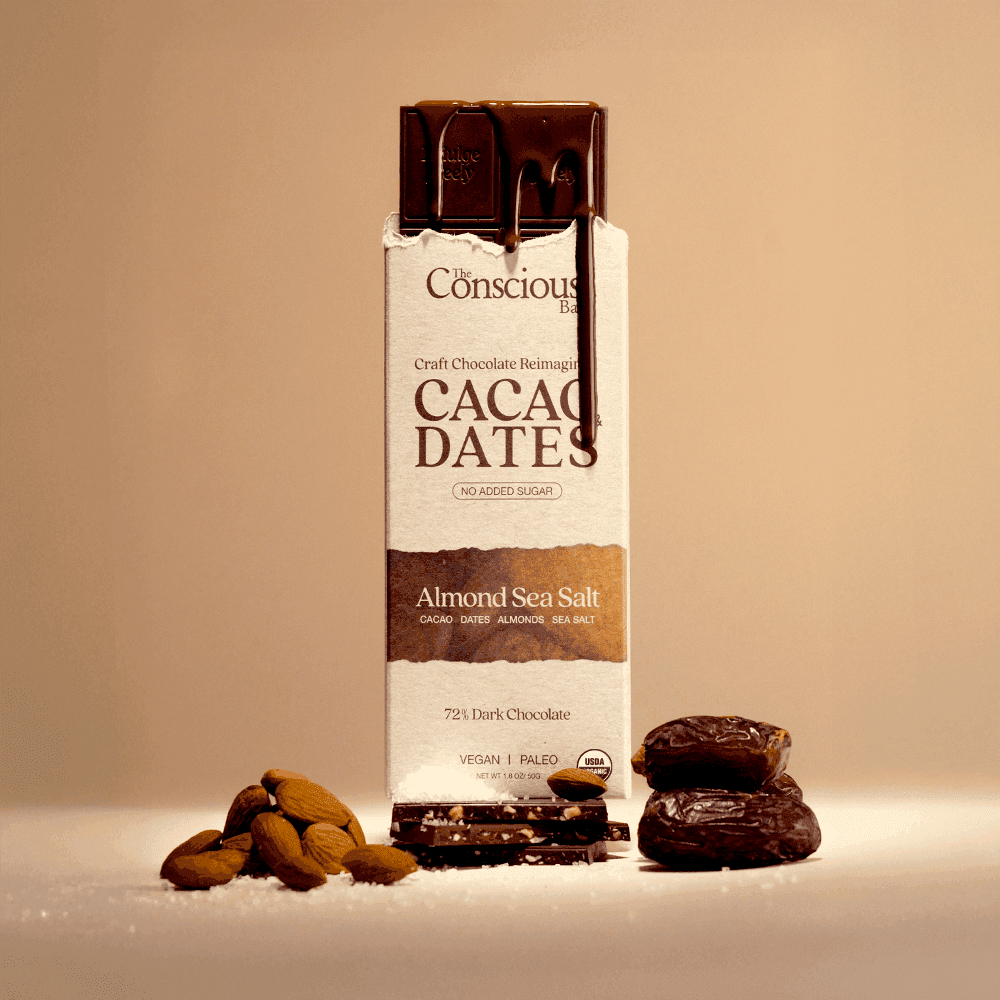
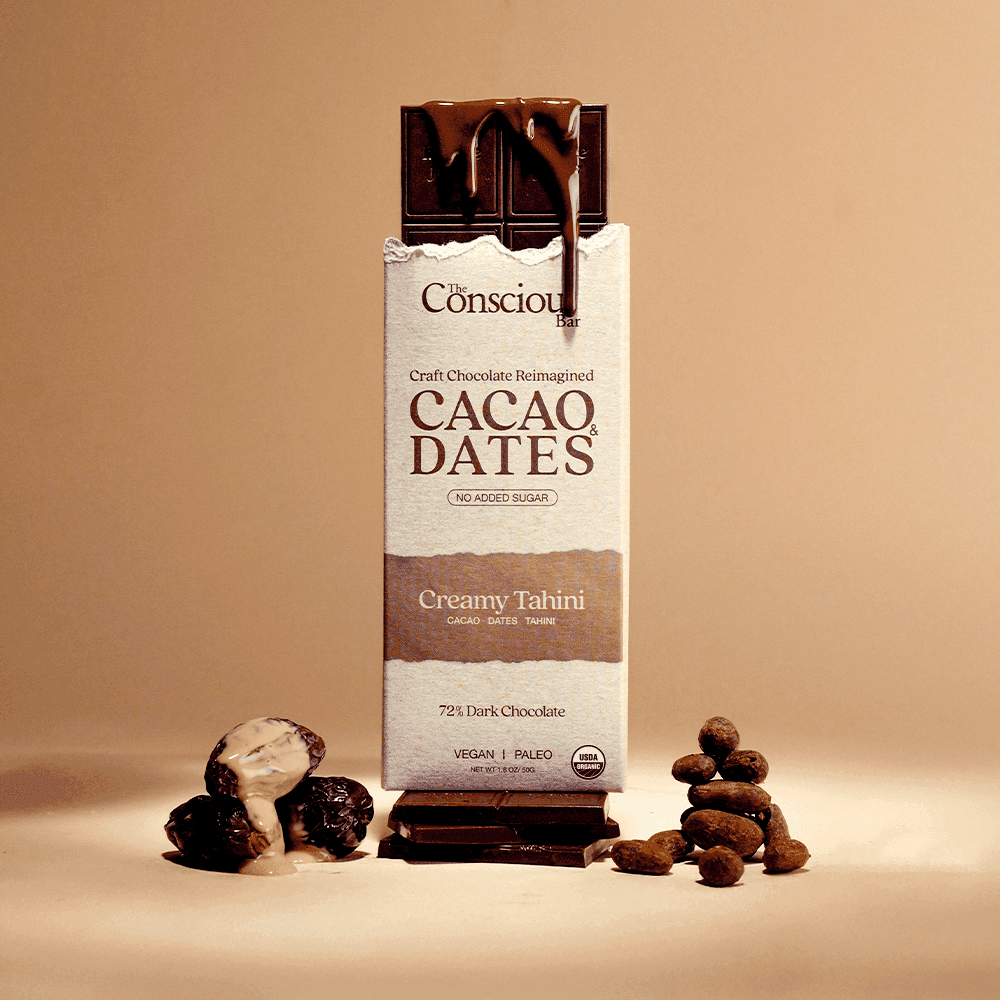
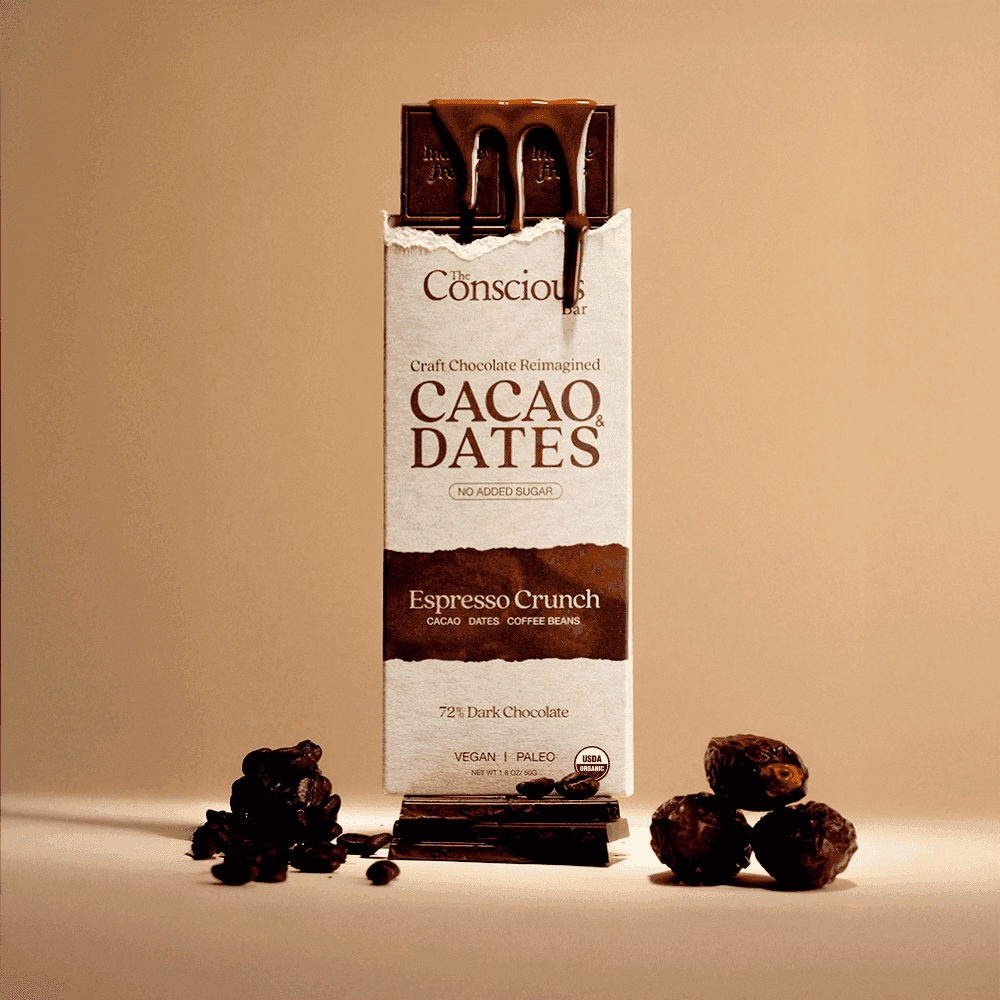
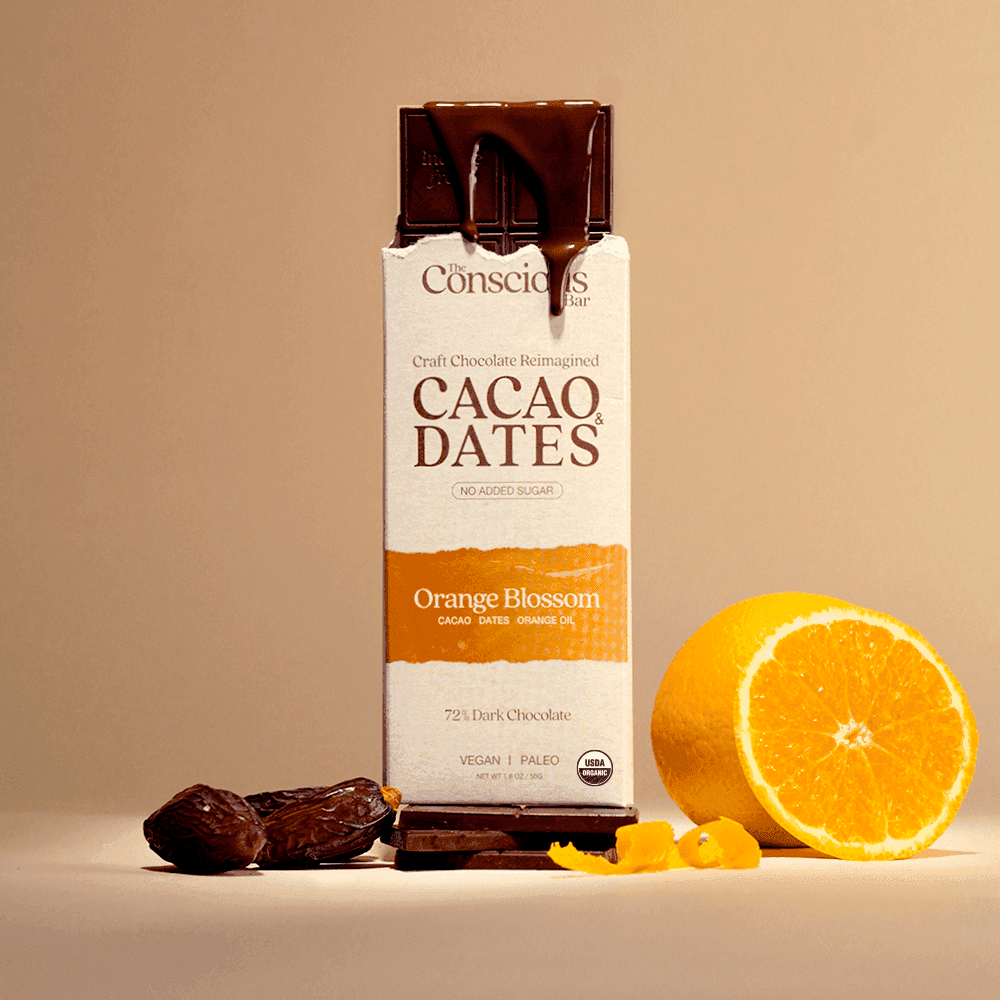
Once you know how it’s made and how your body responds to it, you can make more informed choices, especially when it comes to everyday foods like chocolate.


Leave a comment
This site is protected by hCaptcha and the hCaptcha Privacy Policy and Terms of Service apply.