You've heard that dark chocolate has caffeine. That's true. But caffeine isn't the reason dark chocolate feels different from a cup of coffee. There's another compound at work, one most people have never heard of, and it's doing more than caffeine gets credit for.
It's called theobromine. Here's what it is, what it does, and why it matters which chocolate you're eating.
What Is Theobromine?
Theobromine is a naturally occurring alkaloid found in the cacao plant. It's in the same chemical family as caffeine. both are methylxanthines, but structurally different enough to produce a meaningfully different effect in the body.
Caffeine is a central nervous system stimulant. It works primarily by blocking adenosine receptors in the brain, which temporarily suppresses fatigue signals and produces a sharp, fast-acting alertness. It also constricts blood vessels, which is part of why caffeine can raise blood pressure and heart rate.
Theobromine works differently. It's a milder stimulant that dilates blood vessels rather than constricting them, improving blood flow and oxygen delivery throughout the body. It also affects the nervous system, but less aggressively than caffeine, producing what researchers describe as a calmer, more sustained form of alertness rather than a sharp spike.
Both compounds are present in cacao. Both contribute to how dark chocolate makes you feel. But theobromine is the one that makes the experience feel different from coffee.
Why You Don't Crash After Dark Chocolate
The spike-and-crash cycle most people associate with coffee is largely driven by caffeine's half-life and its effect on blood sugar. Caffeine acts fast, peaks fast, and leaves fast. And when it does, the adenosine it was blocking floods back in, often producing a harder fatigue than before.
Theobromine has a longer half-life than caffeine, approximately 6–10 hours compared to caffeine's 5–6. Its onset is also slower. This produces a more gradual, extended effect without a sharp peak, which means there's less of a sudden drop when it clears your system.
This is also why dark chocolate at 3pm is less likely to disrupt sleep than a 3pm coffee. The theobromine is working more slowly, staying gentler throughout, and clearing more gradually. Research published in the Journal of Psychopharmacology found that theobromine produced a sense of calmness and contentment without the jittery effects associated with caffeine, at doses achievable through normal dark chocolate consumption.
The Blood Flow Effect
One of theobromine's most studied effects is vasodilation, meaning the widening of blood vessels. By relaxing the smooth muscle in vessel walls, theobromine allows blood to move more freely. This has several downstream effects:
- Better oxygen delivery to the brain and muscles.
- Lower cardiovascular strain compared to vasoconstrictors like caffeine.
- A smoother, more sustained energy effect overall.
A study published in the Journal of Cardiovascular Pharmacology found that theobromine produced a modest reduction in blood pressure, the opposite of what caffeine typically does. For people who are sensitive to caffeine's cardiovascular effects, this makes dark chocolate a genuinely different experience, not just a milder version of the same one.
Why Processing Destroys It
Here's the part the chocolate industry doesn't always advertise: how cacao is processed directly affects how much theobromine survives in the final bar.
Dutch processing, also called alkalization, is a common method used to neutralize cacao's natural acidity and produce a smoother, less bitter flavor. It's used in the majority of commercial dark chocolate, including many premium brands. The problem is that the alkaline conditions used in Dutch processing degrade theobromine and other bioactive compounds significantly. Studies have shown Dutch-processed cacao can lose a substantial portion of its methylxanthine content compared to minimally processed cacao.
What that means: a bar that lists "dark chocolate" or "cocoa" on the label may have been processed in a way that reduces the very compounds people associate with its benefits.
The Practical Takeaway
One square of quality dark chocolate at 2–3pm delivers a real, measurable effect: improved blood flow, mild stimulation of the nervous system, and a sustained energy curve with no sharp crash. Not because we're telling you to feel it, because the compound is pharmacologically active in your body.
The timing matters. The processing matters. And the ingredient list matters. Refined sugar works against the cardiovascular benefits theobromine produces by introducing a spike-and-crash cycle of its own.
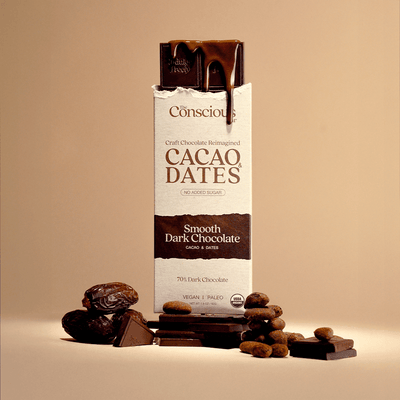
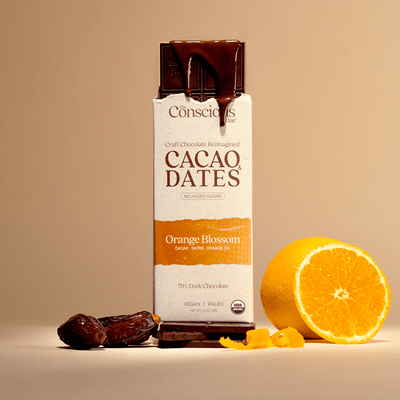
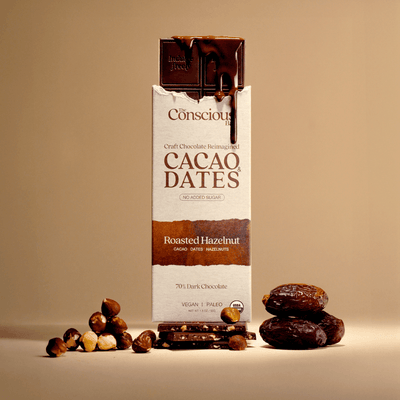
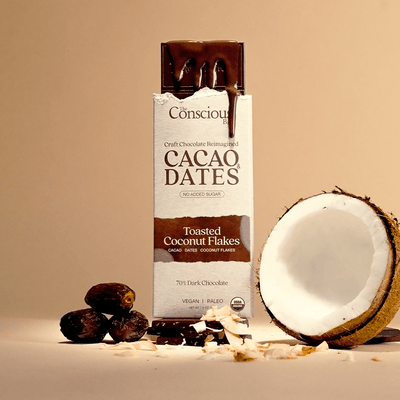
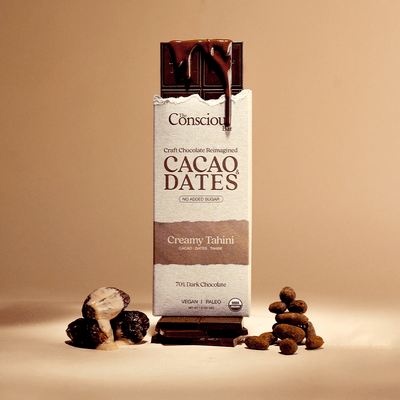
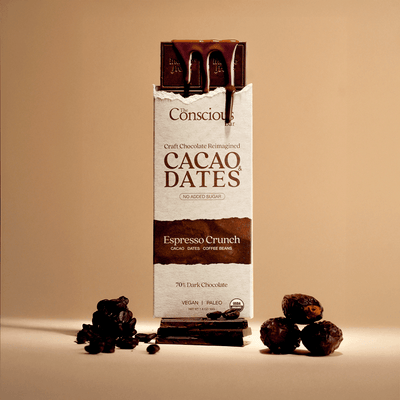
One square. Minimally processed. Sweetened with whole foods, like dates. That's the version that does what the research describes.
Sources
- Theobromine and Calm Alertness — Journal of Psychopharmacology
- Theobromine and Blood Pressure — Journal of Cardiovascular Pharmacology
- Methylxanthine Content in Processed vs. Unprocessed Cacao (PubMed)
- Caffeine Half-Life and Sleep Disruption — Journal of Clinical Sleep Medicine
- Theobromine — Nutritional Profile (USDA FoodData Central)